 Kitful
7 Best Surfer SEO Free Alternatives for 2026
Surfer SEO is a powerhouse tool, but at $99/mo, it's a heavy lift for budget-conscious creators. We've rounded up the best free alternatives for SERP analysis and content optimization to help you rank without the overhead.
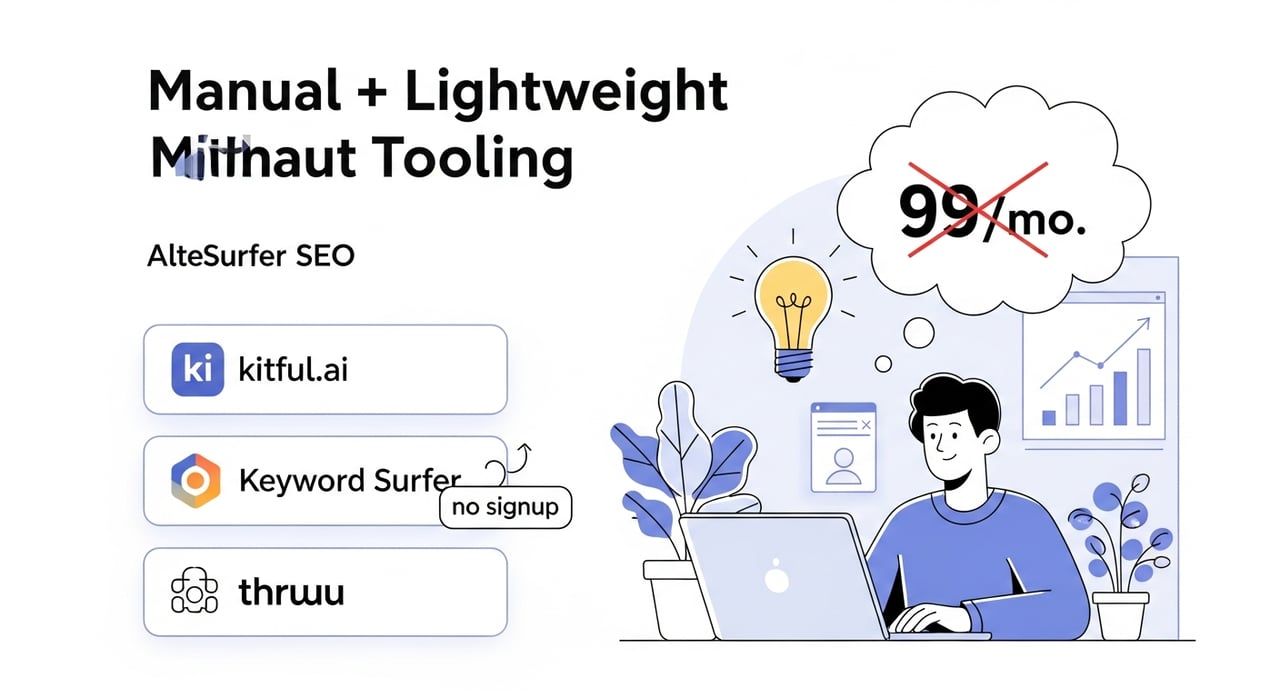
Surfer SEO now asks for $99 a month just for its starter plan. That adds up to more than $1,100 every year to see data that Google basically gives away for free.
The era of pricey SEO subscriptions is ending for creators who want to keep their profits high.
If you're looking for a surfer seo free alternative, you'll find that you don't need a massive monthly bill to rank on page one in 2026. I've seen that mixing manual checks with lighter tools works just as well.
Leaning too hard on one tool's score is a mistake many writers make. Moving to a leaner setup takes a little more thought, but it helps you create more original work.
Here is how to build a high-performance SEO workflow without spending a dime.
1. kitful.ai: The Best AI-Powered Brief Generator
I start every new post with kitful.ai Free Analyzer because it is fast. It shows you search intent and layout ideas in about 10 seconds.
No signup is required to get a full plan for your target keyword. The tool spots content gaps that your competitors are missing.
Focusing on what others left out gives you an edge over bigger sites. It tells you exactly what to add to be more helpful than the current top 10 results.
- What it is: An AI tool that scans search results to build a map for your article.
- Best for: Making fast, data-backed content briefs without a monthly bill.
- The tradeoff: It gives you the plan and the gaps, but you still have to write the post.

Tip: Use the content gap report to find specific questions your competitors didn't bother to answer.
2. Keyword Surfer: The On-Page Intelligence Tool
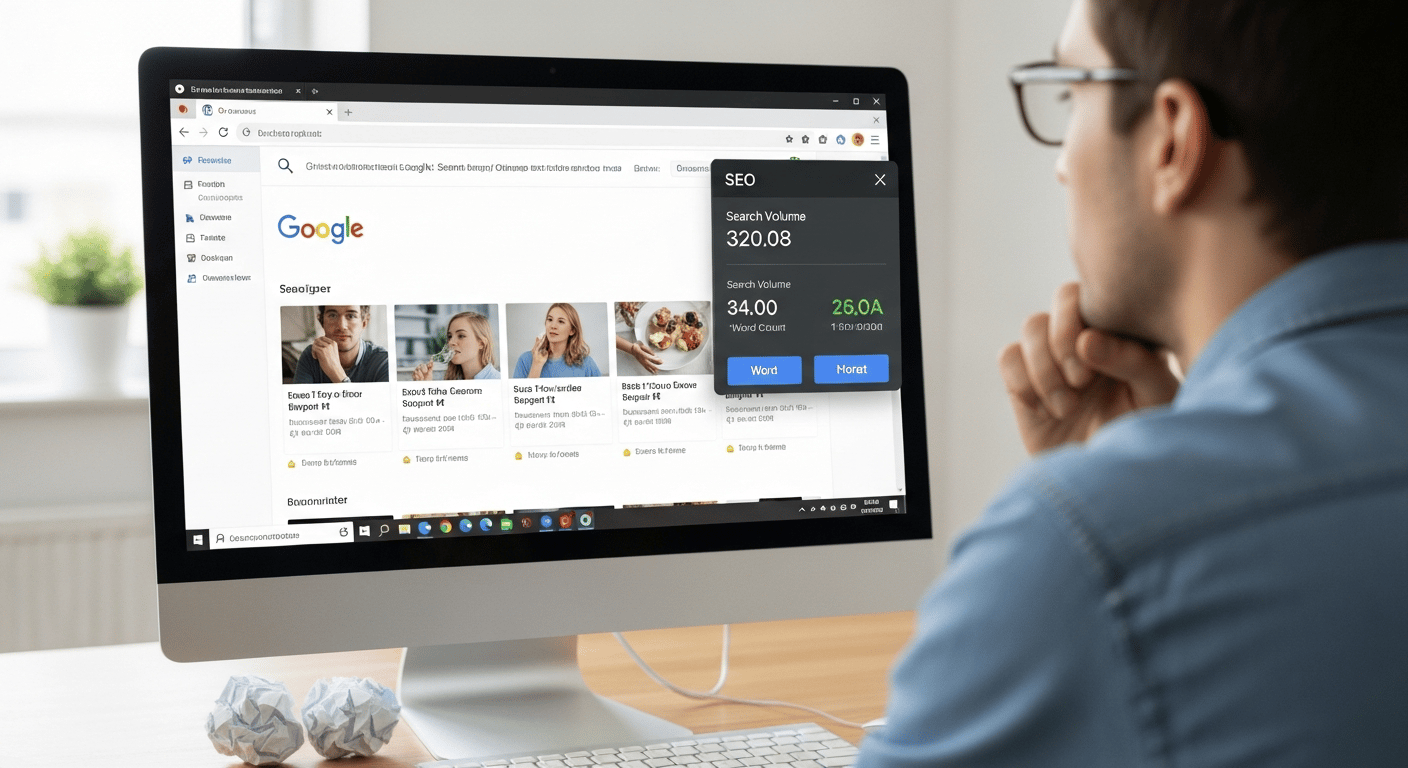
Keyword Surfer is a free Chrome extension that changes how you look at Google. It puts search volume and word counts right inside your search results.
Seeing data while you browse helps you find keyword groups without opening another app. You can quickly see if long articles are actually ranking better for that topic.
- What it is: A browser extension that puts SEO data right on your Google search page.
- Best for: Checking search volume and word counts while you brainstorm.
- The tradeoff: It doesn't have the deep keyword suggestions you find in paid editors.
Example
If you search for "best running shoes," the extension might show that the top pages average 2,400 words. This tells you a 500-word post probably won't rank.
3. Manual SERP Analysis: The 'Zero Tool' Method
Google itself is the strongest SEO tool you have. By looking at the results yourself, you see exactly what the system likes right now.
Search intent is the biggest factor for ranking in 2026. If the top results are all videos, writing a 3,000-word guide is a waste of effort.
- What it is: Looking at Google results to figure out why certain pages are winning.
- Best for: Getting the "feel" and intent that software often misses.
- The tradeoff: This takes the most time and requires you to stay focused.
AI Overviews now show what Google thinks is the most vital info for a search. Use those to write your opening sections.
The Manual Checklist
- Find the main intent (like a list vs. a how-to guide).
- Grab 5-10 "People Also Ask" questions for your subheadings.
- Check the average length of the top 3 results.
- Look for "pattern" words in titles like "Best" or "Step-by-Step."
- See if Google is showing an AI Overview for that term.
# Use this search operator to see how many pages a competitor has on a topic
site:competitor.com "target keyword"
4. thruuu: The Technical Competitor Auditor
If you want to get into the data, thruuu SERP Analyzer is a great pick. It pulls data from the top results to show heading counts and image use.
Looking at a competitor's technical map helps you match their level. It’s a smart way to grow your content without spending a fortune.
- What it is: A tool that scrapes search results for a specific query.
- Best for: Looking at competitor structures, image counts, and meta data.
- The tradeoff: The look of the tool is more about data than actual writing.
I use it to grab CSV files of competitor titles and descriptions. This makes it easy to find common themes you should talk about too.
5. Google Search Console: The Data You Already Own
Google Search Console is the only place to get perfectly accurate data on your site. Many people forget to use it for making their content better.
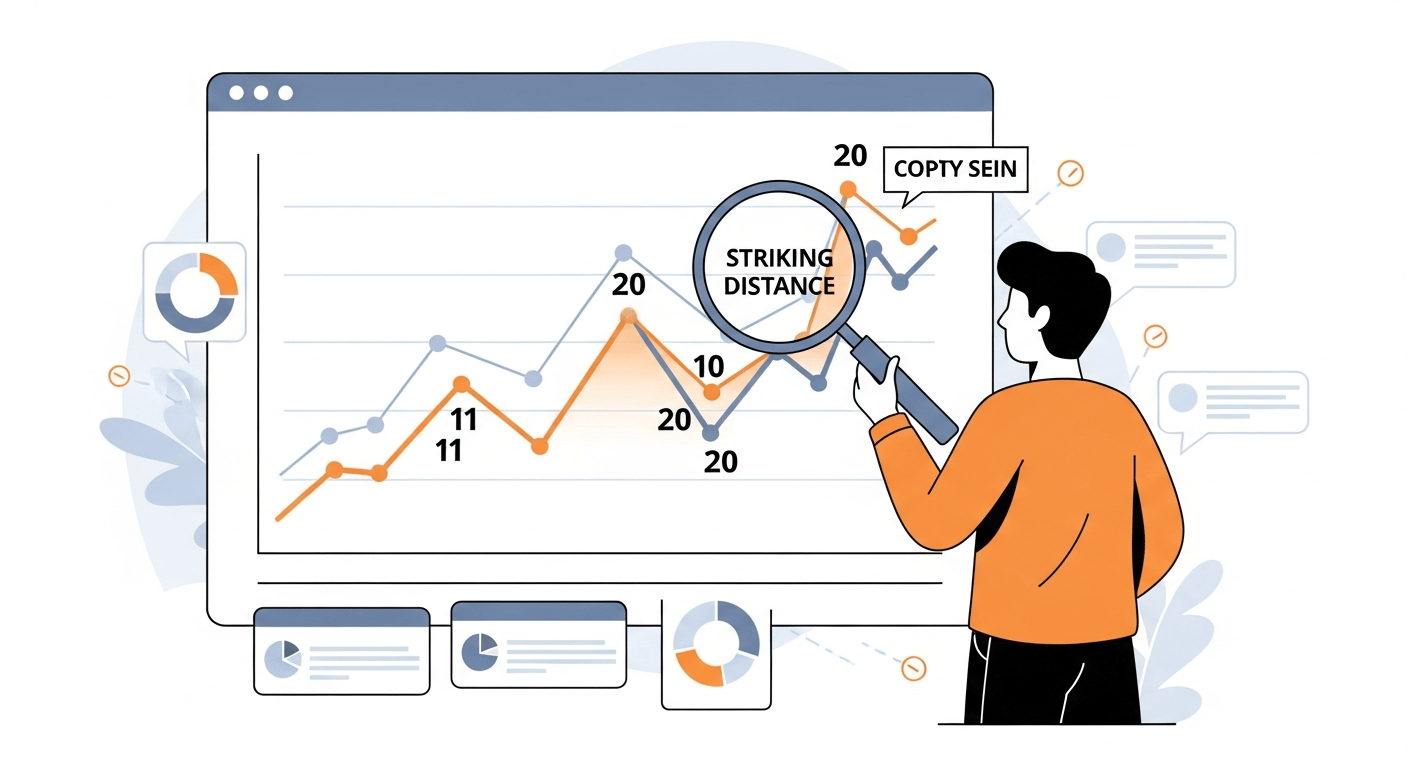
Finding "striking distance" keywords is the fastest way to get more traffic. Look for terms in spots 11-20 and update those pages.
- What it is: Google's own tool that shows how your site is doing.
- Best for: Finding keywords that are almost on page one.
- The tradeoff: It only shows data for your site, not your rivals.
Internal links are a secret weapon for helping new posts. Use GSC to find pages that already have some power and link from them to your new content.
Rule: Don't delete a page that still gets clicks in GSC, even if a different tool gives it a low score.
6. SEO Minion: The Task-Specific Powerhouse
SEO Minion is a handy tool for specific jobs, though users should note that Surfer SEO itself does not offer a traditional no-card free trial and instead provides a 7-day money-back guarantee on its paid plans starting around $69 to $99 a month. I mostly use SEO Minion to grab "People Also Ask" questions in a clean list.
Checking the heading layout of any top page takes just one click. It is much faster than clicking through ten different websites yourself.
- What it is: An extension for tasks like checking links and grabbing data.
- Best for: Pulling PAA questions to build your FAQ sections.
- The tradeoff: It is a task tool, not a full editor.
It also has a broken link checker. This helps you clean up your site without paying for a big audit tool.
7. NeuronWriter (Free Tier): The Semantic Editor
NeuronWriter is very similar to the Surfer editor, offering paid plans starting at $23/month alongside its free tier and trial options. The free or trial version lets you improve a few documents using NLP tips before you decide to upgrade.
Getting a score can make you feel better before you post. It suggests words and topics that Google expects to see in a good article.
- What it is: An editor that suggests keywords while you type.
- Best for: People who want a scoring system like Surfer but don't want to pay full price.
- The tradeoff: The free version is limited and can sometimes make writing feel stiff.
Don't over-optimize for every word the tool suggests. If a sentence sounds weird, take the keyword out and write for the person reading it instead.
Comparison: Free Tools vs. Surfer SEO
Comparison: Free Tools vs. Surfer SEO
| Tool | Price | Best For | Pros |
|---|---|---|---|
| Surfer SEO | $99/mo | Automation | Scoring + NLP |
| kitful.ai | $0 | Content Briefs | Fast gap analysis |
| Keyword Surfer | $0 | Quick SERP Data | On-page volume |
| Manual Analysis | $0 | Intent | 100% accurate |
| thruuu | $0 | Technical Stats | Scrapes head counts |
| GSC | $0 | Performance | Real click data |
| SEO Minion | $0 | Specific Tasks | PAA extraction |
| NeuronWriter | $0 (Trial) | NLP Scoring | Content editor |
Build Your Own SEO Stack for $0
You can build a professional SEO setup for zero dollars by combining free utilities instead of paying for a $99/month subscription like Surfer SEO. You just have to use the strengths of different tools instead of paying for one big platform.
Your own insight always beats an automated score. Use these tools to get the facts, but let your own voice lead the story.
Start by making a brief with kitful.ai and checking Google manually. Use Keyword Surfer for volume numbers and Google Search Console to track real click and impression data.
- If you need a quick brief, use kitful.ai.
- If you want data while browsing, use Keyword Surfer.
- If you're fixing old posts, use Google Search Console.
- If you need a technical check, use thruuu.
That's it. You just saved over $1,100 a year.
Frequently Asked Questions About Surfer SEO Alternatives
Are free SEO tools as accurate as paid ones?
Yes. Most tools get data from the same Google results. Paid tools just automate things, but the raw data is open to everyone.
Do I really need an NLP score to rank?
No. You just need to answer the user's question well. NLP scores are just a guess at how deep your content is and can lead to keyword stuffing if you aren't careful.
Can I use kitful.ai for every article?
It works great for any info or shopping keyword where you need a fast plan. It saves time by doing the rival research for you in seconds.
Is manual SERP analysis better than AI?
Manual checks are better for knowing why a page is ranking. AI is better for looking at a lot of data fast. Using both is usually the best move.