BlogHow to Monitor Your AI Visibility Index: The Evolution of Traditional Rank Tracking
How to Monitor Your AI Visibility Index: The Evolution of Traditional Rank Tracking
Traditional rank tracking is dead. Discover the new framework for measuring AI Visibility Index (AIVI), focusing on citation rates and LLM sentiment to survive the era of generative search.
•6 min read
Ranking first on Google doesn't mean you'll get clicks anymore. Since AI Overviews and big language models give answers directly, the old list of links is becoming a graveyard for organic traffic. Success is now a simple yes or no. You either get cited in the AI's story or you don't exist to the user. Using ai visibility index tracking is the only way to see if you are actually showing up where it matters or if you've been buried by the bots.
Organic success is now a binary outcome: you are either the cited source within the AI's narrative or you are completely invisible to the user.
527%
Growth in LLM search traffic year-over-year into 2026.
The Bottom Line: What Is the AI Visibility Index?
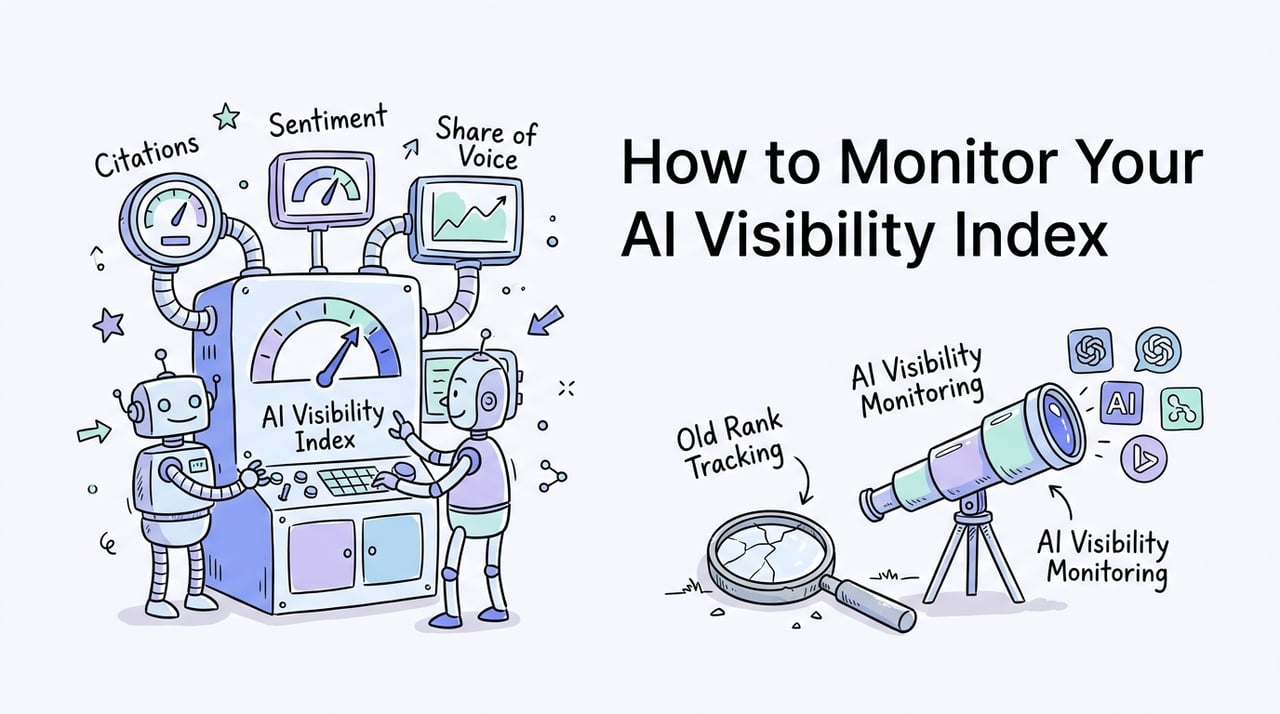
The AI Visibility Index (AIVI) is the new score for the generative age. It tracks how often ChatGPT, Gemini, and Perplexity trust and suggest your brand.
Citations over Clicks: Being in the 'Sources' box is the only way to get referral traffic now.
Sentiment is Critical: If an AI says something bad about you, it's a huge problem for your brand.
Narrative Control: You have to work on how AI models summarize info, not just how they find keywords.
Winning in modern SEO is about being the top source that AI models pick over everyone else.
Why Traditional Rank Tracking No Longer Works
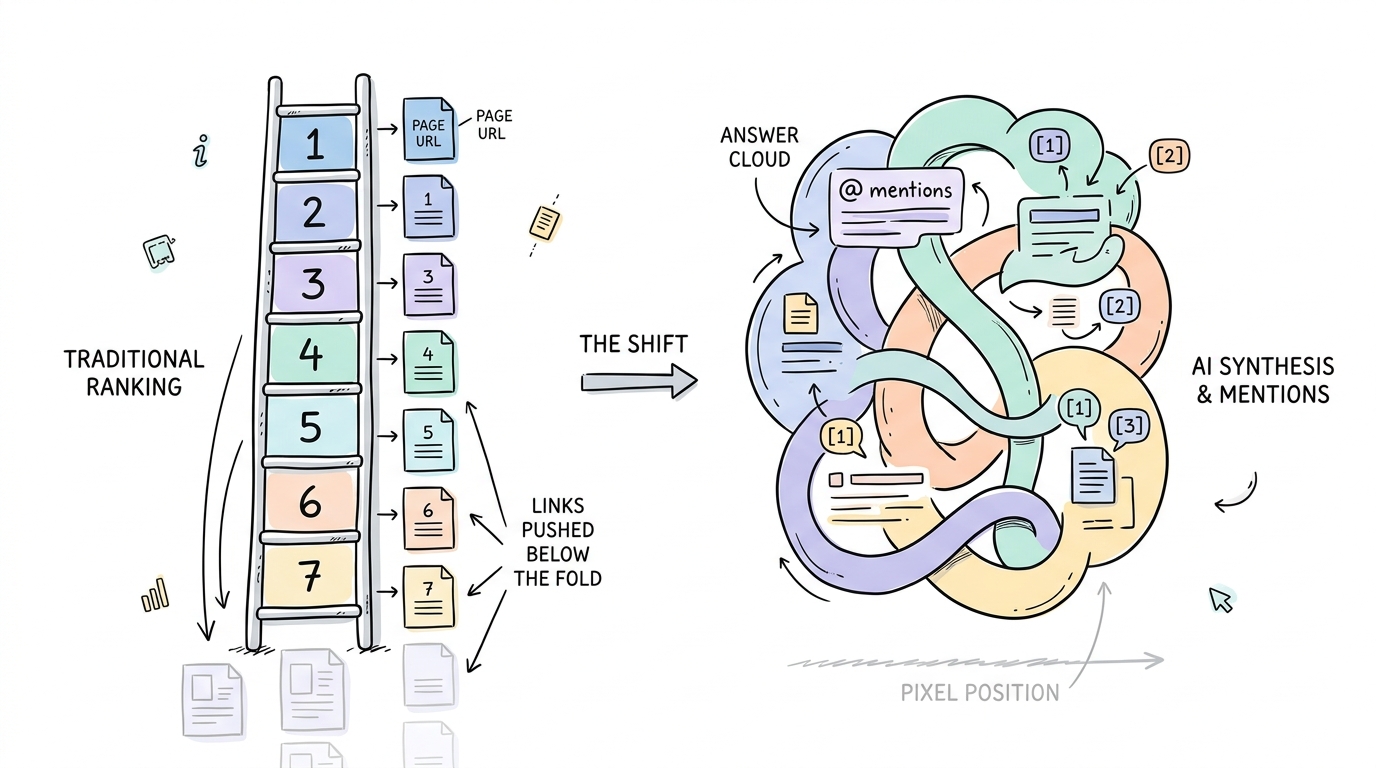
Old rank tracking is too fixed. It just looks at a spot in a list of links. AI is different because tools like ChatGPT use Retrieval Augmented Generation (RAG) to build unique answers for every person.
Pixel Position has replaced blue links as the most important thing to watch. If an AI box pushes your link three screens down, your old rank doesn't matter.
Here is a walkthrough that covers the key steps:
Note: Pay attention to your share of voice in the AI answers instead of just checking if your link appears at the bottom of the page.
Step 1: Build Your AI Prompt Library
You can't track what you don't name. Start by making a list of prompts that sound like how your customers actually talk to AI.
Don't just look for your brand name. Focus on questions about your industry. This shows how visible you are when people are just starting to look for solutions.
Get 50 to 100 high-intent prompts ready.
Use 'how-to' questions and 'best of' comparisons.
Mix broad industry terms with specific problems.
Check these prompts on ChatGPT, Claude, Gemini, and Perplexity.
Sort prompts by the stage of the buyer journey.
Step 2: Establish a Baseline and Audit Citation Gaps
Run your prompts to see where you stand. A score between 0 and 10 percent means you are invisible. Getting 80 percent or more means you're winning the market.
Look for 'Citation Gaps' where competitors show up but your site is missing. Content format matters a lot here. Lists get cited 25 percent of the time, while regular blogs only hit about 11 percent.
If your visibility is under 20 percent, work on how AI connects your site to specific topics.
If visibility is high but traffic is low, check if your links are easy to see in the source box.
If a rival owns a query you want, look at how they break up their content into chunks.
If the AI says bad things, use digital PR to get better info into the data the AI learns from.
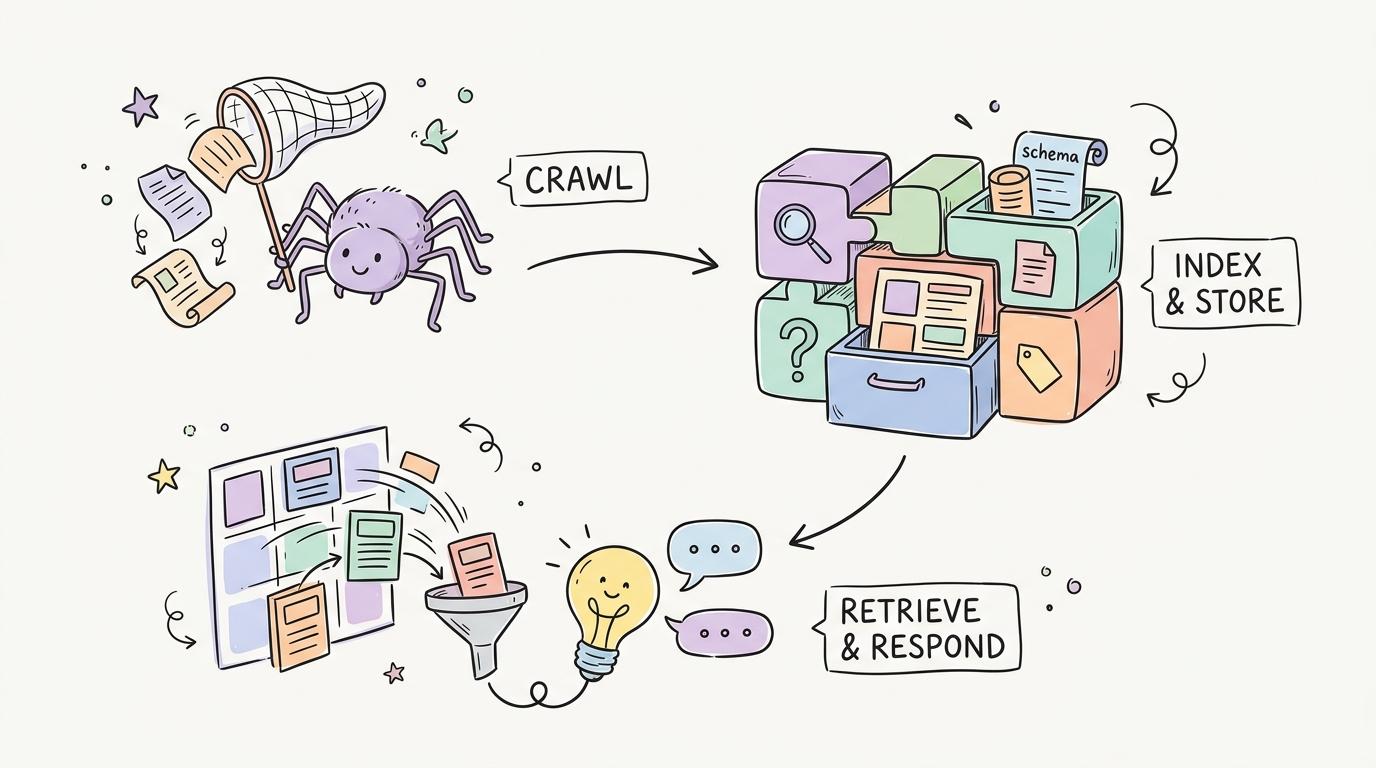
AI models need structured, bite-sized data to accurately cite your brand. Implementing entity-first SEO ensures that crawlers can easily 'chunk' your content for use in RAG-based responses.
Use Organization and Product schema to ground your brand identity in the knowledge graph. Semantic URLs (5 to 7 words) have been shown to increase citation frequency by up to 11.4 percent compared to generic paths.
Rule: Never gate your most authoritative research or data. Gated content sees a 64 percent lower citation frequency because AI agents cannot bypass lead forms to verify the source.
Step 4: Automate Tracking and Attribute Traffic
Check your prompts every week. AI models change fast. A source that was there yesterday might vanish today if the model updates.
Set up custom GA4 groups to track traffic from AI sites. Keeping an eye on what the AI says is just as important as counting mentions. Use sentiment checks to make sure the AI isn't making up wrong facts about your prices or features.
Watch Reddit and forums since AI uses them for sources more often now.
Note: Don't trust a single check. AI is random, so you need to check often to get a real average score.
AEO Metrics vs. Traditional SEO Metrics
Metric
Traditional SEO
AI Visibility (AIVI)
Primary Goal*******
URL Rank Position
Citation & Mention Frequency
Success Signal*******
Click-Through Rate (CTR)
Share of Voice (SOV)
Target*******
Keyword Rankings
Natural Language Intent
Format*******
Optimized Pages
Data Entities & Content Chunks
Mechanism*******
Fixed Index Search
Real-time Answer Synthesis
The Top Tools for AI Visibility Tracking in 2026
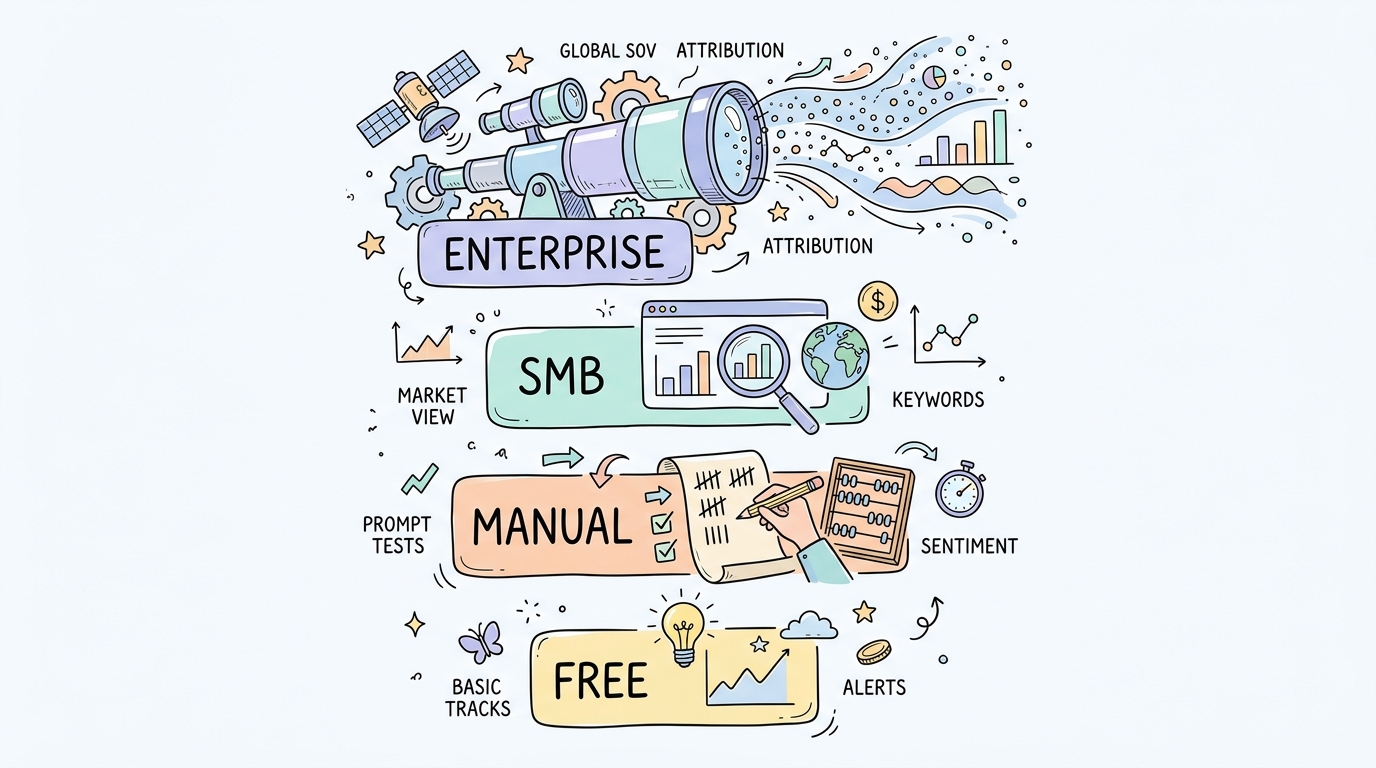
Choosing the right tools is key for tracking your progress. Here are the tools leading the way in 2026.
Semrush AI Visibility Toolkit
This tool gives a broad view of the market and shows what your rivals are doing. It's great for teams moving from old SEO to the new way.
Tradeoff: It can be pricey for small teams with simple needs.
Implementation: Connect your site to the Semrush AI Visibility Index and put in your top 50 keywords to see how often you show up.
Profound
Profound is a high-end platform built for AI optimization that focuses on sales. It helps you see how AI mentions turn into money.
Tradeoff: The price is high, so it's mostly for big companies.
Implementation: Use their tracking pixel to see how AI brand mentions lead to customers in your CRM.
Peec AI
Peec AI looks at specific prompts. You can see how different AI models answer the same question. It gives deep data on who gets cited.
Tradeoff: It takes more work to set up your prompt list than other tools.
Implementation: Upload your list of buyer-intent prompts and check them weekly on GPT, Claude, and Gemini.
Otterly AI
Otterly AI tracks your brand name and how the AI feels about you. It's excellent for PR teams watching how their story changes.
Tradeoff: It doesn't focus as much on technical SEO as Semrush.
Implementation: Set up alerts for your brand and products to see if the AI's tone shifts.
The New Era of Search Performance
AI isn't killing your site, but it is changing how people see you for the first time. If you aren't in the AI's answer, you don't exist to the buyer.
Example
A user asks ChatGPT for 'best small business accounting software with electronic invoicing.' The three brands named in that answer are the only ones that exist to that user. It doesn't matter who ranks #1 on a standard search page.
Start your prompt library today. It's the only way to make sure your brand stays a top source in the future.
 Kitful