 Kitful
How to Use AI PAA Generators to Find Hidden Blog Keywords
Discover how AI-powered People Also Ask generators mine recursive SERP question trees to surface hidden blog keywords. Learn the step-by-step workflow to turn intent clusters into snippet-winning content.
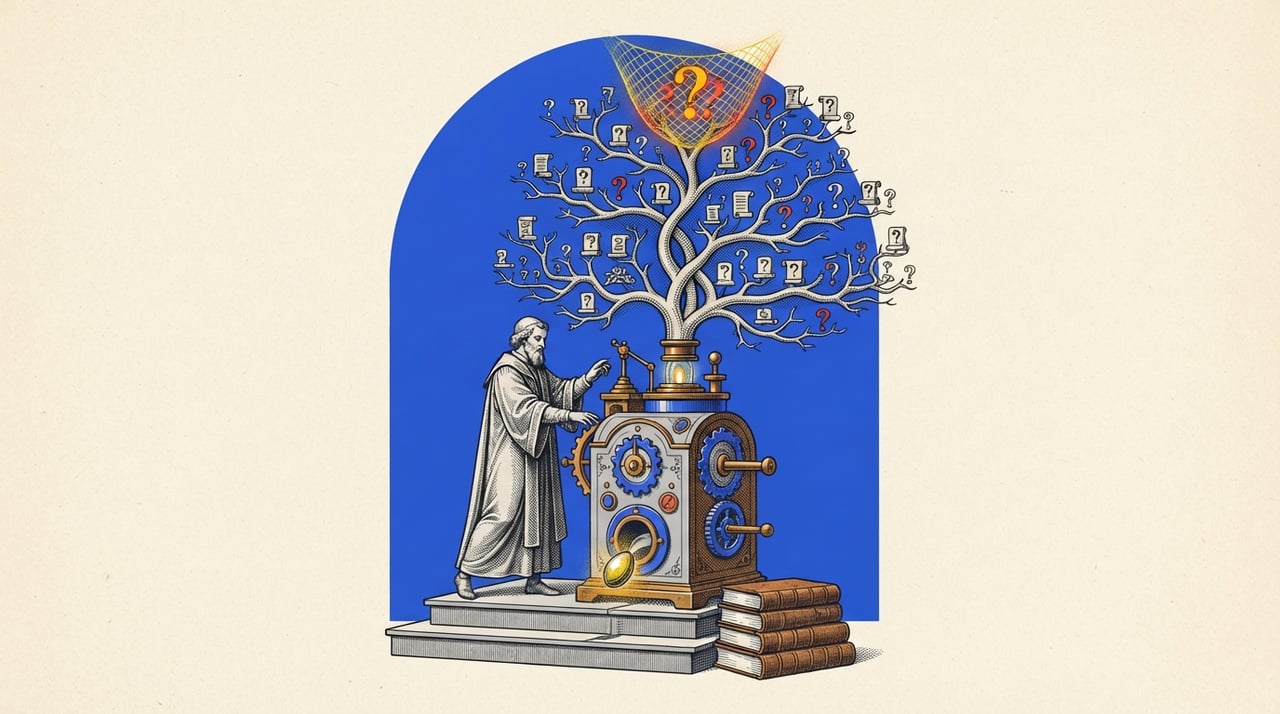
8 weeks versus 14 weeks. Seomytics reports a median of 8 weeks to reach page one for PAA-derived content clusters, compared with 14 weeks for picks made from keyword tools alone.
That gap starts with the questions. Google's People Also Ask boxes expose question paths that searchers keep following, including second-, third-, and fourth-level branches that a volume-first list can miss.
An AI PAA generator turns those branches into a working topic map. You can see the broad question that needs a main section, the follow-up that deserves a subsection, and the narrow question that belongs in a separate post.
PAA research also gives each page a clearer job. Instead of adding loosely related keywords to a draft, you answer the sequence of questions behind a search. That structure fits featured snippets and AI Overview citations because each heading has a direct, focused response beneath it.
What You Need Before Starting Your PAA Workflow
Start with one seed term. You need a topic people already search for, a PAA generator, an AI writing assistant, and access to your CMS.
Keep the seed term broad enough to produce branches, then let the question tree narrow the topic. A seed such as a product category, service, or recurring reader question gives the generator a useful starting point.
Set up these four pieces before you run a search:
- A seed keyword or head term with active search interest.
- An AI PAA generator such as AlsoAsked, PeopleAlsoAsk.ai, Lumina SEO PAA Extractor, or AnswerSocrates PAA Extractor.
- An AI writing assistant to sort questions by intent and turn clusters into briefs.
- CMS access that supports JSON-LD FAQ schema markup.
Create one folder or spreadsheet for each seed term. Save the raw export, the cleaned question list, the final outline, and the published URL together. That makes it much easier to trace a snippet win back to the question that prompted it.
This walkthrough shows the Google PAA research process in action:
Pick one seed term for your first run. A narrow, finished workflow beats collecting dozens of trees you never turn into content.
Step 1: Extract Multi-Level Question Trees From Your Seed Keyword
Pull the full tree first. Enter one seed keyword into your chosen PAA generator, expand each useful branch, and export the questions before you start judging them.
Lumina SEO PAA Extractor can return nested follow-up questions to four levels deep. That depth matters because the first question often defines the page, while later questions expose the precise concerns that make useful supporting sections.
- Enter your seed keyword exactly as you want to research it.
- Open the level-one questions and identify the branches that match your planned topic.
- Expand useful follow-ups through level two, then continue through level four where the generator supports it.
- Export the raw question inventory or copy it into a spreadsheet, keeping the parent question beside every child question.
- Remove duplicate questions only after preserving the branch path that produced them.
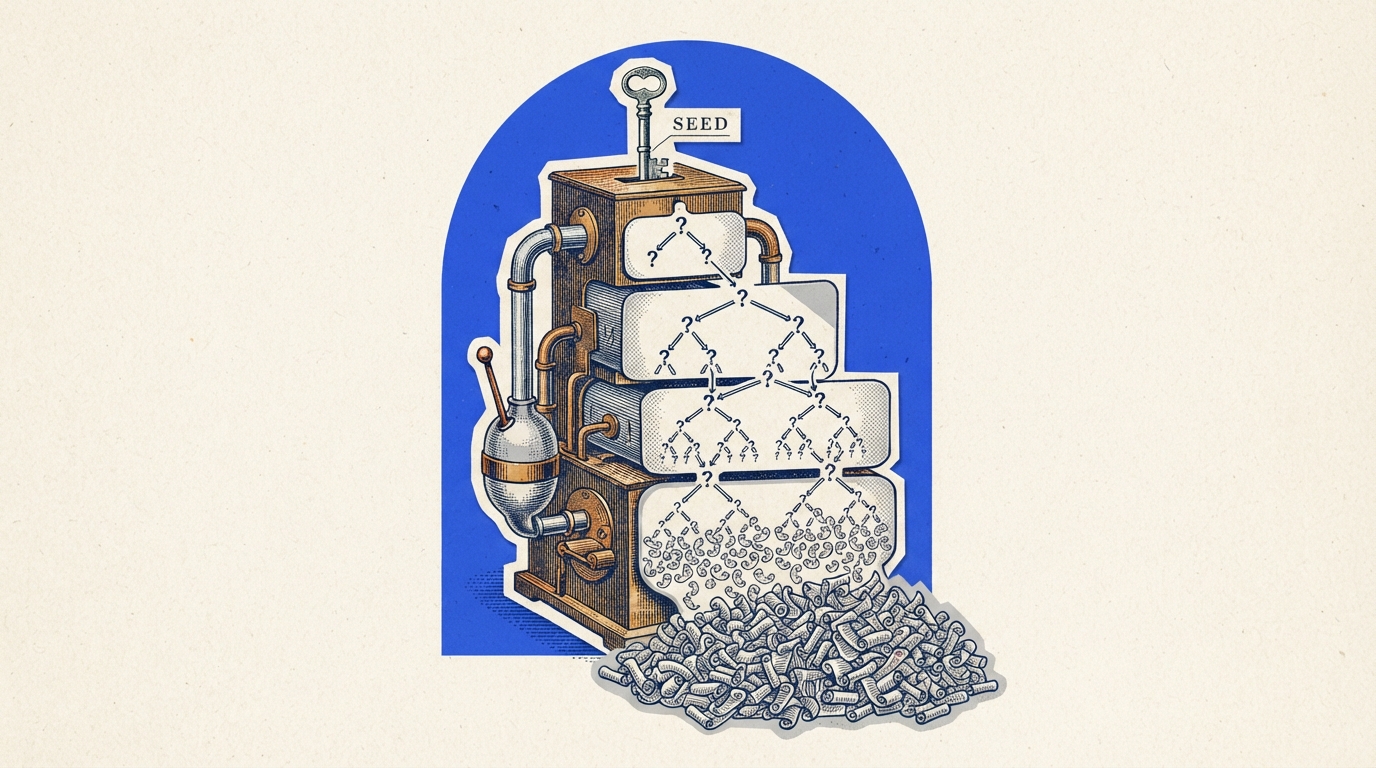
A branch path tells you more than a flat list. If several follow-ups come from the same parent question, readers likely expect those answers together.
For example, a broad question may lead to a "how" follow-up, then a setup question, then a troubleshooting question. Keep that order in your export. It becomes the first draft of the reader's path through the page.
AlsoAsked allows 3 searches per day without account registration, so use each search deliberately. Start with the head term, then use later searches only for branches that deserve their own article.
Do not treat every extracted question as a keyword target. Save the full inventory first. The next step decides which questions belong together and which ones should become separate pages.
Step 2: Cluster Question Trees by Intent and Semantic Proximity
Group by the question being answered. Use an AI writing assistant to sort the exported PAA questions by search intent and subject, then review each group against the original tree.
Lexical similarity can mislead you. Two questions may share few words yet ask for the same explanation, while repeated wording can hide different needs such as a definition, a process, or a buying decision.
Paste the questions with their parent branches into your writing assistant and use a prompt like this:
Group these People Also Ask questions by the answer a reader needs. Create clusters for definitions, mechanisms, comparisons, costs, and troubleshooting where they fit. Keep each question in one cluster, preserve its parent branch, and name each cluster with a clear reader question.
Review the proposed clusters before turning them into headings. Give each question one home, because duplicate coverage makes a page harder to scan and leaves supporting posts competing for the same query.
Use these checks while reviewing:
- Informational clusters explain what something is or why it happens.
- Mechanism clusters answer how a process works or how to complete a task.
- Commercial clusters cover comparisons, pricing, selection, or alternatives when those questions appear in the tree.
- Troubleshooting clusters address errors, limits, or next actions raised by follow-up questions.
A question's parent matters. A "how" question below a definition question usually belongs inside the same section, while a branch with its own chain of follow-ups often has enough depth for a spoke article.
Keep the cluster names in reader language. Those names will become your outline, so vague labels such as "miscellaneous questions" create vague pages.
Step 3: Map Question Clusters Into Content Outlines and Heading Hierarchies
Give every question a home. Put the main level-one question in a descriptive H2, place close follow-ups beneath it as H3 sections, and move deep branches with their own scope into spoke articles.
Start with the cluster, not the individual keyword. One page should answer one connected set of questions in the order readers are likely to ask them.
- Choose the level-one question that states the page's main job.
- Turn each major level-two branch into an H2 question or a descriptive H2 that states the answer topic clearly.
- Place level-three questions as H3 sections when they explain, qualify, or troubleshoot the H2 above them.
- Mark a branch as a spoke article when it has several follow-up questions and needs a full answer of its own.
- Add internal links between the pillar page and each spoke article once both pages are published.

A simple outline can look like this:
- H2: What is PAA question mining?
- H3: How do PAA follow-up questions reveal blog topics?
- H3: Which questions belong in a separate article?
- H2: How do you build a PAA content outline?
- H3: How do you assign questions to headings?
- H3: How do you avoid duplicate coverage?
The hierarchy should mirror the branch path you saved during extraction. Readers get a logical sequence, and search engines can see a direct answer beneath each relevant heading.
Do not force every branch onto the pillar page. A page with a clean main question and well-linked spoke articles gives each topic room to rank on its own.
Step 4: Draft 40-Word Answers and Implement JSON-LD FAQ Schema
Answer immediately below the heading. Write a direct passage near 40 words, then add the supporting detail after it and include the matching questions in JSON-LD FAQ schema.
SearchForged recommends 40-word answer passages for PAA snippets. The first passage should answer the heading in plain language, without a long setup or a sentence that sends readers elsewhere.
Example
40-word answer:
People Also Ask question mining collects related Google questions from a seed query, then follows their nested questions to reveal the topics readers ask next. Those branches can become headings, supporting sections, or separate articles built around clear search intent signals.
Then expand the answer with examples, steps, limits, or comparisons that the question tree calls for. Keep the direct answer directly below its heading so readers and crawlers encounter it first.
Add FAQ schema only for questions that are visible on the page. This example uses the same question and answer a reader can see:
{
  "@context": "https://schema.org",
  "@type": "FAQPage",
  "mainEntity": [
    {
      "@type": "Question",
      "name": "What is PAA question mining?",
      "acceptedAnswer": {
        "@type": "Answer",
        "text": "People Also Ask question mining collects related Google questions from a seed query, then follows their nested questions to reveal the topics readers ask next. Those branches can become headings, supporting sections, or separate articles built around clear search intent signals."
      }
    }
  ]
}
Use Google Rich Results Test after publishing to check the JSON-LD. Schema supports clear question-answer markup, while the visible answer passage gives the page its chance to earn a featured snippet or an AI Overview citation.
How to Track Snippet Wins and Measure Ranking Acceleration
Check the published page, then watch Search Console. Confirm that the questions, headings, answer passages, and schema all survived the move from draft to live URL.
Seomytics observed PAA-derived topics ranking in an average of 6 to 10 weeks. Treat that as a measurement window, not a reason to wait without checking whether Google indexed the page and began showing it for the intended questions.
- Open the live URL and confirm that each level-one and level-two branch has a designated H2 or spoke article.
- Check that each direct answer appears immediately below its question heading and stays near 40 words.
- Run the page through Google Rich Results Test and fix any JSON-LD errors it reports.
- Confirm indexation in Google Search Console.
- Review Search Console queries and impressions for the PAA questions, then note ranking changes and snippet appearances during the next 6 to 10 weeks.
Use one record per published page. Include the seed keyword, the question cluster, the publication date, the target questions, and the date a snippet or ranking change appears.
A sudden impression increase on a question is worth checking manually in Google. Look at the results page, identify whether your page appears in a PAA box or featured snippet, and record the exact query. That record tells you which branch and answer format earned visibility.
Comparing Top AI PAA Generator Tools for Keyword Research
Three tools cover different research needs. Pick the one that gives you enough branch depth and queries for the size of your research batch.
1. AlsoAsked
Pros
- Deep-search question trees with up to 4 levels.
- Visual question-tree research.
Cons
- 3 free searches per day without account registration.
Pricing
- Free: 3 searches per day without account registration.
Why choose AlsoAsked over Lumina SEO PAA Extractor?
Choose AlsoAsked when a visual question tree is your preferred way to inspect branches. Lumina SEO PAA Extractor gives a larger free daily quota.
2. Lumina SEO PAA Extractor
Pros
- API-backed PAA tree generation.
- Intent clustering.
- Nested question extraction up to 4 levels.
Cons
-, #### Pricing
- Free: 15 PAA queries per day.
Why choose Lumina SEO PAA Extractor over AlsoAsked?
Choose Lumina SEO PAA Extractor for larger free research batches and built-in intent clustering. It gives 15 free queries per day, compared with 3 free daily searches on AlsoAsked.
3. AnswerSocrates PAA Extractor
Pros
- Free PAA question search scraper.
- Two-level CSV exports.
Cons
- Question exports reach 2 levels.
Pricing
- Free: PAA question search scraper.
Why choose AnswerSocrates PAA Extractor over Lumina SEO PAA Extractor?
Choose AnswerSocrates when a two-level CSV is enough for a quick question inventory. Lumina SEO PAA Extractor reaches four nested levels for deeper branch research.
Frequently Asked Questions About AI PAA Generators
Which PAA tool should I start with?
Start with Lumina SEO PAA Extractor if you need more free daily research capacity and intent clustering. Its free allowance is 15 PAA queries per day, and it can extract nested questions through four levels.
How many free searches does AlsoAsked allow?
AlsoAsked allows 3 searches per day without account registration. Use the first search for the seed term and reserve later searches for branches that have enough depth to become their own articles.
Can PAA questions help with AI Overview citations?
Yes. PAA questions give you search-engine-validated question intent, and concise direct answers beneath matching headings fit answer-engine citation frameworks. Keep the visible answer near 40 words, then support it with useful detail.
Should every PAA question become a heading?
No. Use level-one and major level-two questions for main sections, then place close follow-ups under those sections. Give a deep branch its own article when it contains enough connected follow-up questions to answer fully.
Do I need FAQ schema for PAA content?
FAQ schema gives search engines question-answer markup for the visible FAQs on your page. Validate the JSON-LD with Google Rich Results Test after publishing, and keep the schema text aligned with the page text.
Turn Search Intent Into Snippet-Winning Blog Content
Start with one seed term today. Extract its full question tree, group the questions by the answer readers need, map the groups into headings, and publish direct answers beneath each one.
Then check the page in Search Console and use the winning branches to guide your next post. Recursive PAA research gives your blog a repeatable way to turn live search questions into focused content.