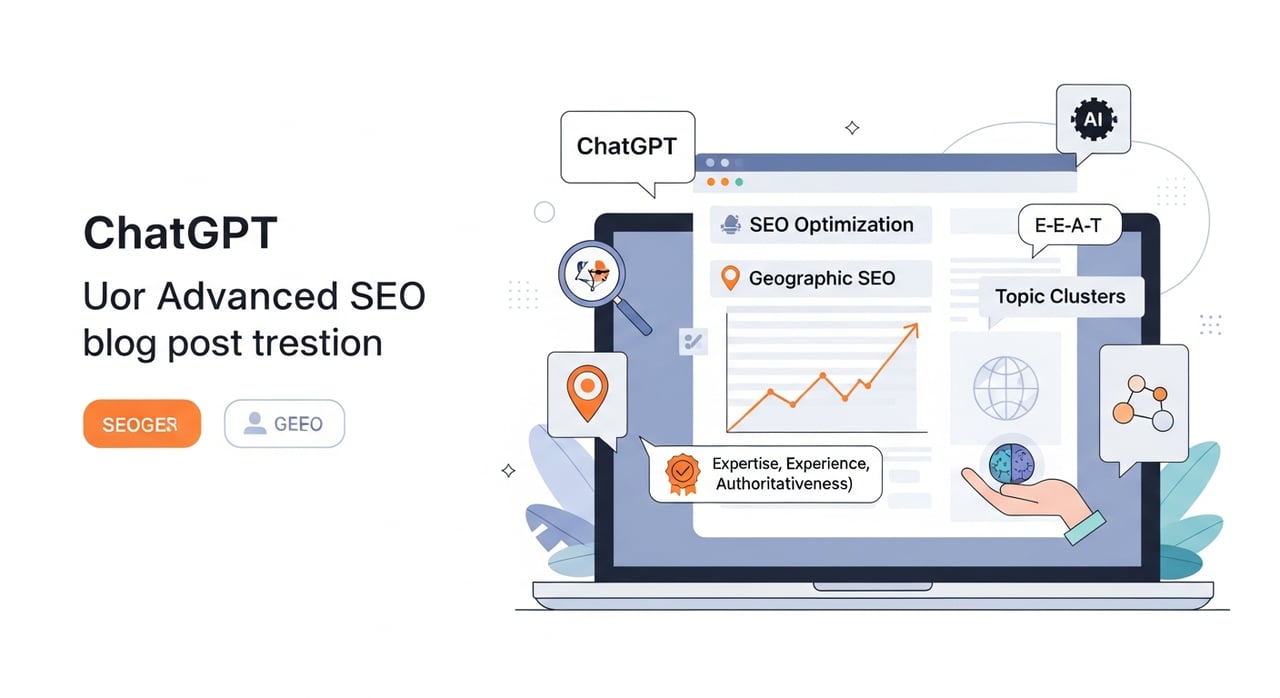
Searching isn't just about clicking blue links anymore. Now, it's about being the source an AI picks to answer a question.
In 2026, writing a blog post isn't just about keywords. It is about becoming a part of the knowledge base that tools like ChatGPT use to help people.
We have moved past simple math. Good content now means sharing things that an AI can't just make up or find on a basic site. If you just repeat what everyone else says, you are basically invisible.
Old school SEO is turning into something called GEO. The goal is to be the main source for AI summaries.
Speed is great, but you can't just hit a button and walk away. You need to check everything yourself. This human touch is the only way to keep your trust and authority up. Without it, search engines might punish you for posting low-effort content.
- Human Ideas: AI gives you the outline, but you provide the real stories.
- Fact Checking: Always check the facts your AI says to make sure they are true.
- Trust Focus: Sites like content that shows you really know your stuff.
How Search Has Changed and Why AI Matters
The search world has shifted. It used to be about making a list and ranking it. Now, it's about finding data and creating an answer.
We aren't just fighting for the top spot on a page anymore. We want to be the source for a chatbot's answer. Tools like ChatGPT and Perplexity have changed how millions of people look for things.
What is Generative Engine Optimization
GEO is basically making your stuff easy for AI models to find and use. Success here is measured by how often an AI links back to your page.
Changing how you work can feel like a lot. That is why sites like Kitful.ai are so helpful for creators.
They help bridge the gap between your ideas and the tech needs of modern search. Being found now means having your info set up so AI can read it and give you credit.
Comparing Old SEO and New AI Needs
The rules have changed. If you stick to the old way, you might get left behind. Old ways of measuring success don't show how people find info today.
Traditional SEO was all about the page. It looked at one URL and how many keywords were in it. It used things like backlinks and meta tags to get people to click a blue link.
Modern GEO is about the big picture. It cares about how your content fits into a whole topic.
- Citation Share: How many times AI mentions your site as a source.
- Brand Authority: Making your brand a known expert in your field.
- Context: Making sure your content is deep enough for AI to use.
Big Strategy Changes for 2026
Moving from old search to AI search means changing your goals. You need to stop asking "how do I rank" and start asking "how do I get cited."
By focusing on these shifts, you prepare your site for the future. Often, the AI bot reads your link before a human ever does.
Why Real Experience Matters for AI Content
Some people think search engines hate AI content. That isn't true. Google and other sites reward good, helpful content no matter how you wrote it.
The difference isn't the tool. It's the experience and trust you put into the work.
Experience Is the Most Important Part
The bar for good writing is higher now. Since AI can write basic summaries, your value is in your personal view. This is why your own stories and research are so important.
AI can't live a life. That experience is your big advantage.
When you write, share your own stories or data. This shows the search math that your site isn't just a generic bot site. By sharing things only a person would know, you build trust with bots and people.
Building a good workflow in 2026 needs the right tools. You need a mix of creative power and facts to stay ahead.
- Kitful.ai: This is our top pick for pros. It handles writing and posting while making sure you fit modern AI search needs. It saves a ton of time.
- ChatGPT Plus: You need a paid plan for the newest models like GPT-4o. You can see the current OpenAI ChatGPT Pricing to find a plan that works for you.
- SurferSEO: Even if AI writes the text, this tool helps you fix it. It shows you where you need more info to compete for big keywords.
- Structured Data Tools: This helps you check your technical data. If you want AI to cite you, your tech stuff must be perfect.
Setting Your Goals with Smart Prompts
Before you start typing, you need a plan. If you treat AI like a simple typewriter, you'll get boring text. Giving the AI a specific job makes the content better for your readers and for Google.
Good prompts can make a huge difference. The AI stops guessing and starts working for you based on your rules.
Better Ways to Prompt
First, tell the AI who it is. Tell it to act like an expert with years of experience. Then, tell it exactly what you want.
If you want a blog post for a coffee shop, say so. Tell it if you want to teach people or sell something. Give it your own data so it doesn't sound like everyone else.
Finding Groups of Topics to Write About
Keywords aren't the main thing anymore. Ideas are. In 2026, AI looks for how well you cover a whole topic, not just one word.
By mapping out how ideas connect, you help AI understand your site. It’s about being the most helpful source for a whole subject.
- Find Main Ideas: Ask the AI to find the core parts of your topic.
- Grow the List: Have the AI come up with 10-15 sub-topics that branch off.
- Check the Data: Run these ideas through a tool to see if people are looking for them.
- Link Them Up: Plan how these posts will link together to show you are an expert.
Making Your Post Easy for Bots and People
Structure is the bridge between readers and bots. When an AI bot hits your page, it looks for clear signs of what each part is about.
Make it very easy for the bot to pull facts from your text. Vague headings are a bad idea. Use headings that explain exactly what the next few paragraphs say.
Good structure helps you win citations in AI answers.
We want to give answers that are easy to cite. By organizing your thoughts, you make your content a top choice for search results.
Writing the First Draft with Examples
Once the plan is ready, start the machine. Don't just ask for a "blog post." That leads to fluff. Use examples to teach the AI how you talk.
Give the AI two or three examples of your past work. Tell it to use bullet points or lists so it's easy to read. Also, write in small parts. Don't try to do the whole thing at once or the AI might get confused.
How to Make Your Writing Feel Real
A draft is just the start. To win in 2026, you must close the gap between AI speed and human trust. Search engines are smart. They look for clear facts and real experts.
The Human Touch Plan
We use the AI draft as a base, but we add the soul. You need to add details that a machine wouldn't know.
- Add Personal Stories: Share a time you failed or a result that surprised you.
- Use Experts: Quote a friend or link to Google AI Content Guidance.
- Check Facts: Make sure names and dates are right so bots can group your info correctly.
By doing this, you aren't just posting text. You are building a real brand. You are turning a bot draft into an expert asset.
Turning YouTube Videos into Blog Posts
One of the smartest ways to get new data is to use video. Since every basic blog is already in the AI's memory, you need fresh info. Using AI to help with video or audio is a great shortcut.
You can take a webinar or a podcast and turn it into a high-quality post. This gives you facts that your competitors don't have.
First, get the text from the audio. Then, ask ChatGPT to summarize it. Finally, add your own expert thoughts. Most top-ranking content now uses video like this.
Building Better Comparison Pages
Comparison pages are very valuable. They help people who are ready to buy. In 2026, you can't just list features. You have to be more helpful than a bot.
Use AI to help write code for tools like cost calculators. These make your page a place people actually use. Also, use side-by-side tables. This makes it easy for AI to read your data.
Always pick a winner for different needs. This helps AI give clear answers when someone asks "what is the best tool for me?"
Winning the AI Citation Game
In 2026, we measure success by how many times an AI points to your site. To win, you need to be mentioned on other big sites too. This tells AI models that you are a trusted source.
Giving unique, real data is the fastest way to get cited.
Using clear, factual sentences makes it easier for AI to summarize your work. Avoid long, confusing metaphors. Give "fact-dense" paragraphs instead. If your content is easy to check, AI will use it more often.
Common Mistakes When Using AI
Even with good prompts, you can fall into traps. AI should help you, not replace you. Leaning too hard on the machine leads to mistakes that search engines will catch.
- Too Many Keywords: Forcing words into AI text often backfires.
- No Reviewing: Posting a draft without checking it is a bad idea.
- Vague Info: If you don't use specific names, the AI might get things wrong.
- Same Old Tone: AI can sound boring. If you don't change the voice, you lose your brand's style.
Automating with Kitful.ai
ChatGPT is great for drafting, but managing a whole strategy alone is hard. That is where Kitful.ai helps. It isn't just a writer. It is a full system made for modern search. It handles linking so your site looks like an expert to AI bots.
Going global is usually hard, but Kitful supports over 100 languages. You can change your strategy for different countries fast. The price is good too. A starter plan is about $49 a month.
Connecting to WordPress
One of the hardest parts of blogging is moving text from a chat window to your site. Kitful fixes this. It connects directly to WordPress and Ghost. It formats your posts and adds all the tech data automatically. This turns your blog into a fast production line.
Why We Like Kitful for Creators
The best tool depends on your goals. Here is why we suggest Kitful:
- For Business Owners: You can build expert status fast with less work.
- For Bloggers: it helps add videos and AI images to keep people interested.
- For SEO Pros: You can write for many clients without losing their unique voice.
- For Global Teams: You can use many languages to reach more people worldwide.
Common AI Myths
There is still a lot of confusion about AI text and search. Let's clear that up.
The Myth
Many people think Google bans all AI-written text. They think if a bot finds a pattern, your site will be blocked.
The Reality
In 2026, search engines don't care how you made the content. They care if it helps. They want good content made for people.
The real target is boring, unedited AI content that adds nothing new. If you just repeat what everyone else says, you won't do well. High-quality content that uses AI to be clearer is actually rewarded.
Old dashboards that only track keywords are becoming old news. Now, we care about how often AI models recommend us. If a bot doesn't mention you, your rank on page one doesn't matter as much.
Success now looks like a high Citation Share. You also need to watch your brand strength. If the AI thinks you are a "vague" source, it won't cite you.
Tools like Kitful.ai offer special tracking for this. They see if your content is actually being used by AI systems. This helps you stay relevant in a world where the chatbot is the gatekeeper.
Getting Ready for 2027
The search world is moving fast. What works today might not be enough next year. In the future, search engines will look at your whole digital footprint.
First, use more video and images. AI models are getting better at seeing them. Second, get your own data. Unique stats make you a primary source. Finally, use your real voice. A human personality is a big trust signal that bots can't copy.
Using AI Honestly
Efficiency should not mean being dishonest. As AI grows, being responsible is huge. Industry leaders are spending billions on AI safety. We should follow those rules to stay safe for the long run.
We think being honest is the best way to grow. Telling people when AI helped you isn't just for legal reasons. It builds a better link with your readers. People trust human oversight. Trust is easy to lose but hard to earn.
Final Thoughts on AI and Search
The search world has moved fast, but the truth is the same. AI isn't replacing you. It’s just giving you better tools. Think of it as a power tool for your own brain.
Your best defense against changes is being an expert. Search engines want to see your fingerprints. They want the real stories that an AI can't fake.
If you add a human touch, you win the game. Don't let the tech scare you. In 2026, the goal is simple. Be helpful, be unique, and get cited. Use the machine to build the house, but use your voice to make it a home.
Common Questions Answered
Does Google punish AI blog posts?
No. Google cares if the content is helpful and good. If your posts provide value, they will rank well regardless of how they were made.
What is GEO?
GEO is making your content easy for AI models to use and cite. It focuses on winning a share of AI citations instead of just keyword rankings.
How do I avoid AI detectors?
Add your own stories, unique data, and brand voice. Editing the work and adding human insights stops you from looking like a generic bot.
Can I use ChatGPT for keywords?
Yes, it is great for finding topic ideas and clusters. It helps you see the gaps in info that other tools might miss.
What are the best AI prompts?
Use prompts that tell the AI to act like an expert. Show it examples of your style so the output sounds like you.
Is Kitful.ai better than ChatGPT?
For pros, yes. It automates technical stuff like internal linking and publishing. ChatGPT is good for one draft, but Kitful manages a whole blog.
How much does Kitful.ai cost?
The Starter plan usually starts at $49 a month. This makes it a good choice for solo creators who want to compete with big agencies.
 Kitful